Post-Secondary Education

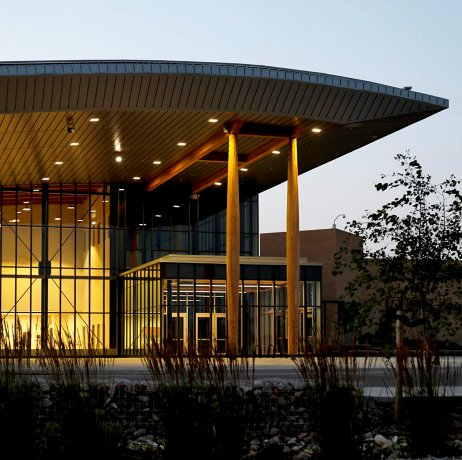
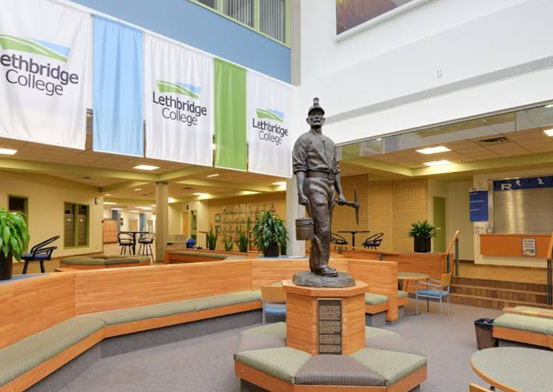
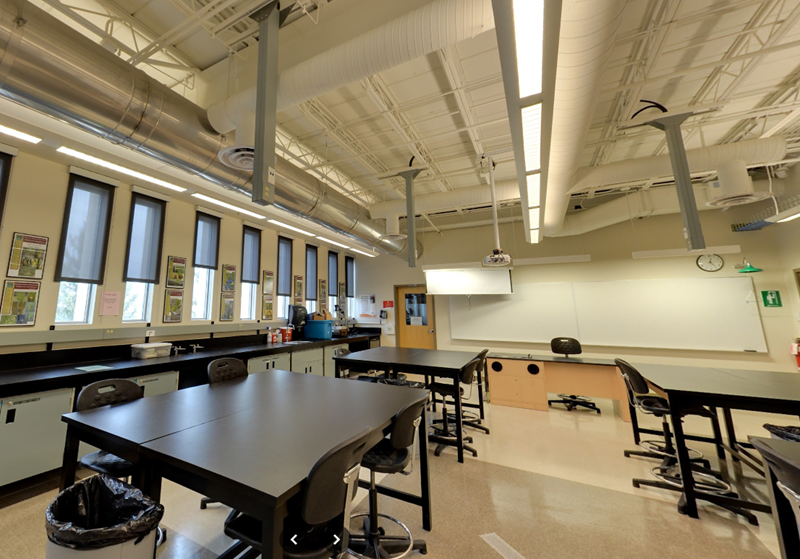
Lethbridge College is a publicly funded post-secondary institution supporting a wide range of academic, research, and student-focused activities within a diverse campus environment. The institution operates multiple facilities that serve instructional spaces, laboratories, student services, administrative functions, and campus support operations.
Campus buildings vary in age, construction type, and functional use, with operating schedules that reflect academic calendars, seasonal occupancy, and extended-hour activities. These characteristics create a complex operating environment where energy use, system performance, and asset condition play an important role in both day-to-day operations and long-term planning.
As public institutions face increasing expectations around sustainability, emissions reduction, and responsible stewardship of assets, understanding baseline conditions and identifying planning-level opportunities becomes a critical first step toward meaningful action.
Strategic Facility
Evaluation
SustainErgy supported Lethbridge College through a high-level facilities and asset walkthrough completed as part of an incentive-supported initiative focused on greenhouse gas and emissions reduction planning.
The engagement was designed to provide a broad, informed view of existing conditions across campus facilities, focusing on how buildings, systems, and operational characteristics contribute to overall energy use and emissions. The work emphasized observation, contextual understanding, and documentation rather than detailed system modeling or prescriptive recommendations.
This approach supported early-stage evaluation and program requirements while minimizing disruption to campus operations and maintaining flexibility for future planning efforts.
Focus Areas
SustainErgy supported Lethbridge College through a high-level facilities and asset walkthrough completed as part of an incentive-supported initiative focused on greenhouse gas and emissions reduction planning.
The engagement was designed to provide a broad, informed view of existing conditions across campus facilities, focusing on how buildings, systems, and operational characteristics contribute to overall energy use and emissions. The work emphasized observation, contextual understanding, and documentation rather than detailed system modeling or prescriptive recommendations.
*This approach supported early-stage evaluation and program requirements while minimizing disruption to campus operations and maintaining flexibility for future planning efforts.
Outcome Orientation
The engagement supported improved baseline understanding of campus facilities in the context of energy use and greenhouse gas emissions. The work contributed to program documentation requirements and helped frame internal discussions around future opportunities for emissions reduction, asset optimization, and sustainability planning.
By establishing a clear, high-level picture of existing conditions, the engagement helped position the institution for next-step planning and informed participation in emissions-reduction initiatives
Discuss Your Project
If you are planning a new building, renovation, or retrofit, SustainErgy can support your project with energy modelling that informs decisions, reduces risk, and aligns with funding and compliance requirements.
*A member of our team will contact you to discuss your project and consult on any inquiries you may have.
Contact Us