Industrial Services, Equipment, & Transportation Support
Calmont Group is a diversified organization supporting industrial, construction, transportation, and equipment-driven operations across Western Canada. The group manages a broad portfolio of facilities that include offices, service and maintenance spaces, equipment-focused operations, and supporting infrastructure.
These facilities operate under varied conditions and usage patterns, supporting both administrative functions and high-activity operational environments. Seasonal demand, regional differences, and equipment-intensive workflows create complex facility requirements that extend beyond traditional commercial building use.
Managing performance across this type of portfolio requires a clear understanding of how facilities support operations today, while also enabling structured planning for future operational and asset-related needs.
Strategic
Industrial Support
Calmont Group is a diversified organization supporting industrial, construction, transportation, and equipment-driven operations across Western Canada. The group manages a broad portfolio of facilities that include offices, service and maintenance spaces, equipment-focused operations, and supporting infrastructure.
These facilities operate under varied conditions and usage patterns, supporting both administrative functions and high-activity operational environments. Seasonal demand, regional differences, and equipment-intensive workflows create complex facility requirements that extend beyond traditional commercial building use.
Managing performance across this type of portfolio requires a clear understanding of how facilities support operations today, while also enabling structured planning for future operational and asset-related needs.
Focus Areas
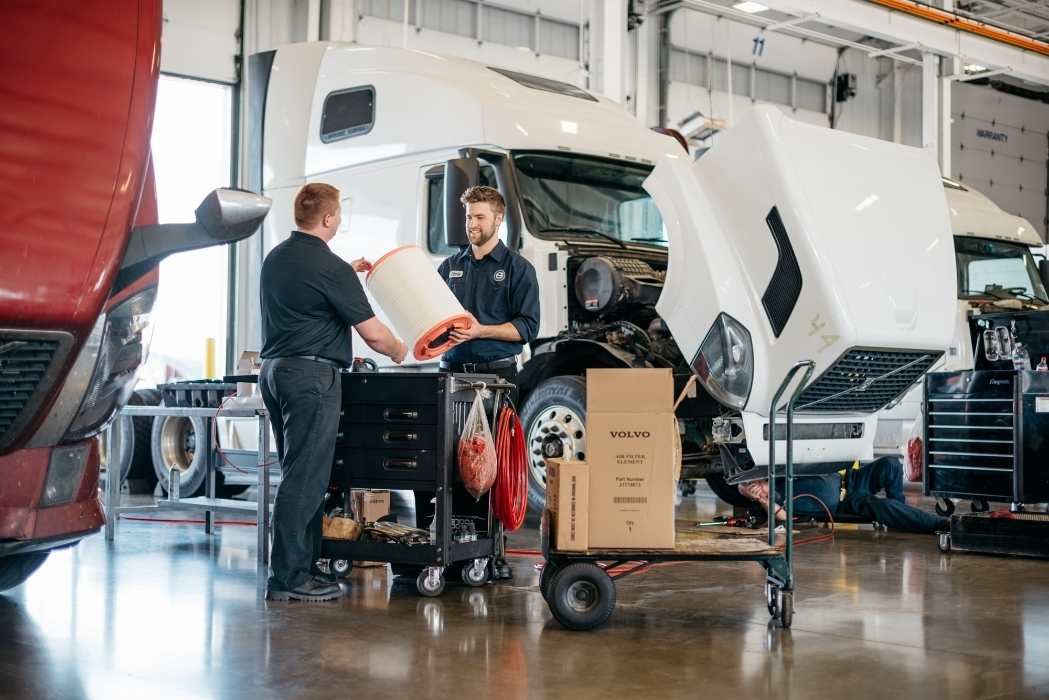
SustainErgy has supported Calmont Group through targeted engagements designed to provide clarity around facility performance and operational considerations relevant to their diverse portfolio.
Engagements were structured to align with internal planning processes, offering practical insight without disrupting ongoing operations. Support focused on planning-level analysis, site-specific considerations, and comparative evaluation across different facility types within the broader portfolio.
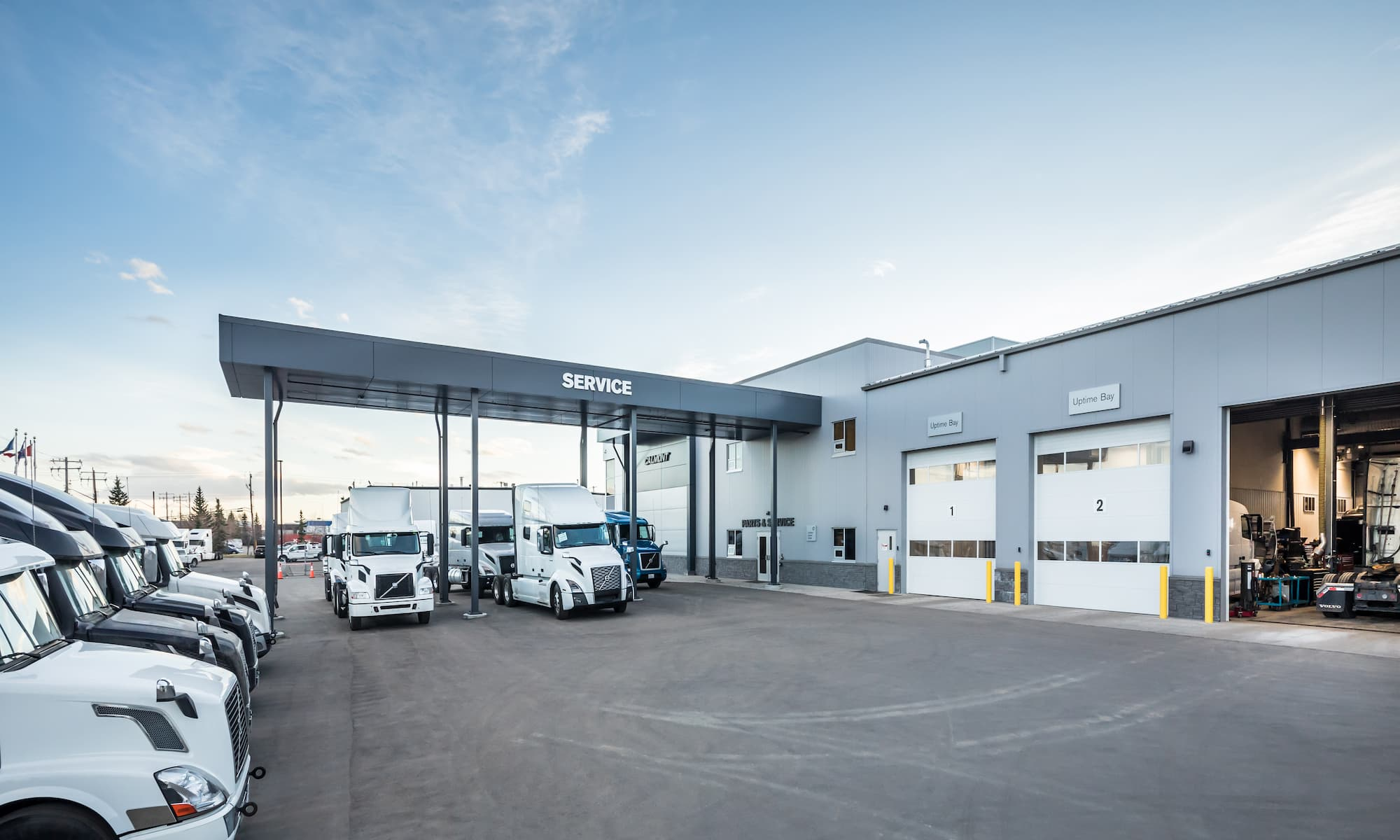
*The work emphasized flexibility and adaptability, allowing insights to remain relevant across locations with differing functions, layouts, and operational intensity.
Outcome Orientation
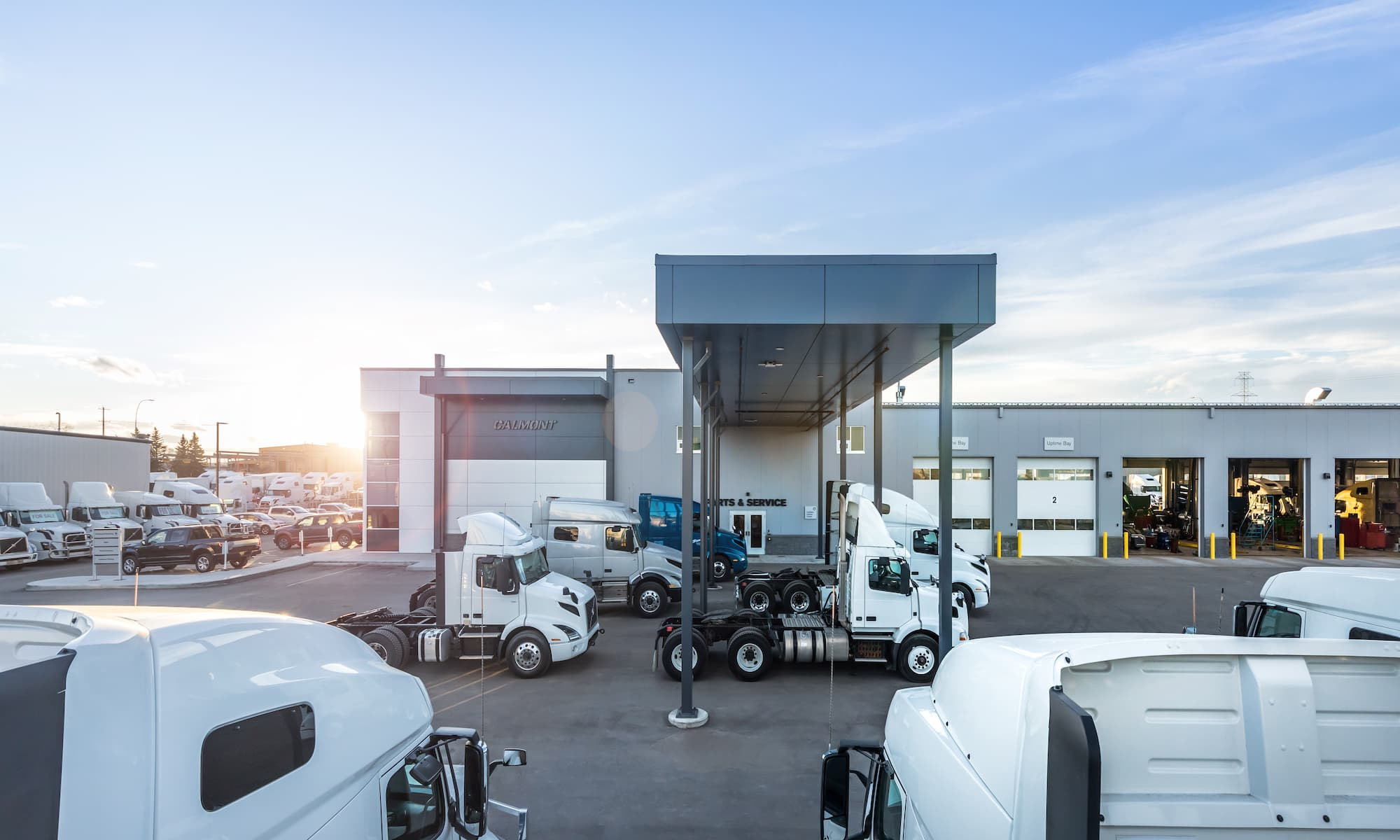
The engagement supported improved visibility into how facilities contribute to operational effectiveness and long-term planning objectives. Insights helped inform internal discussions related to facility performance, investment considerations, and future planning pathways.
Overall, the work contributed to a more structured and informed approach to managing facilities within a complex, operationally driven portfolio—supporting decision-making without relying on prescriptive outcomes or performance claims.
Discuss Your Project
If you are planning a new building, renovation, or retrofit, SustainErgy can support your project with energy modelling that informs decisions, reduces risk, and aligns with funding and compliance requirements.
*A member of our team will contact you to discuss your project and consult on any inquiries you may have.
Contact Us