Intelligent Efficiency for Education
Creating high-performance learning environments with resilient systems designed to reduce overhead and support institutional sustainability.
Addressing Operational Obstacles
Educational and campus facilities operate under unique pressures, balancing high-density student use with aging infrastructure and limited budget visibility.
Education facilities commonly experience challenges such as:

Architectural Portfolio Diversity
A wide range of building ages, layouts, and construction standards.
Hybrid Operational Cycles
Fixed academic schedules combined with after-hours community use.
High-Density Usage Demands
High occupancy density during operating hours.
Granular Consumption Blindspots
Limited visibility into what drives energy use across classrooms, gyms, and common spaces.
Strategic Resource Conflicts
Competing priorities between maintenance, educational programming, and capital renewal.
Cost-Comfort Balancing Pressures
Increasing pressure to manage operating costs while maintaining comfortable learning environments.

These challenges require solutions that reflect how education facilities are actually used, not simplified or generic assumptions.
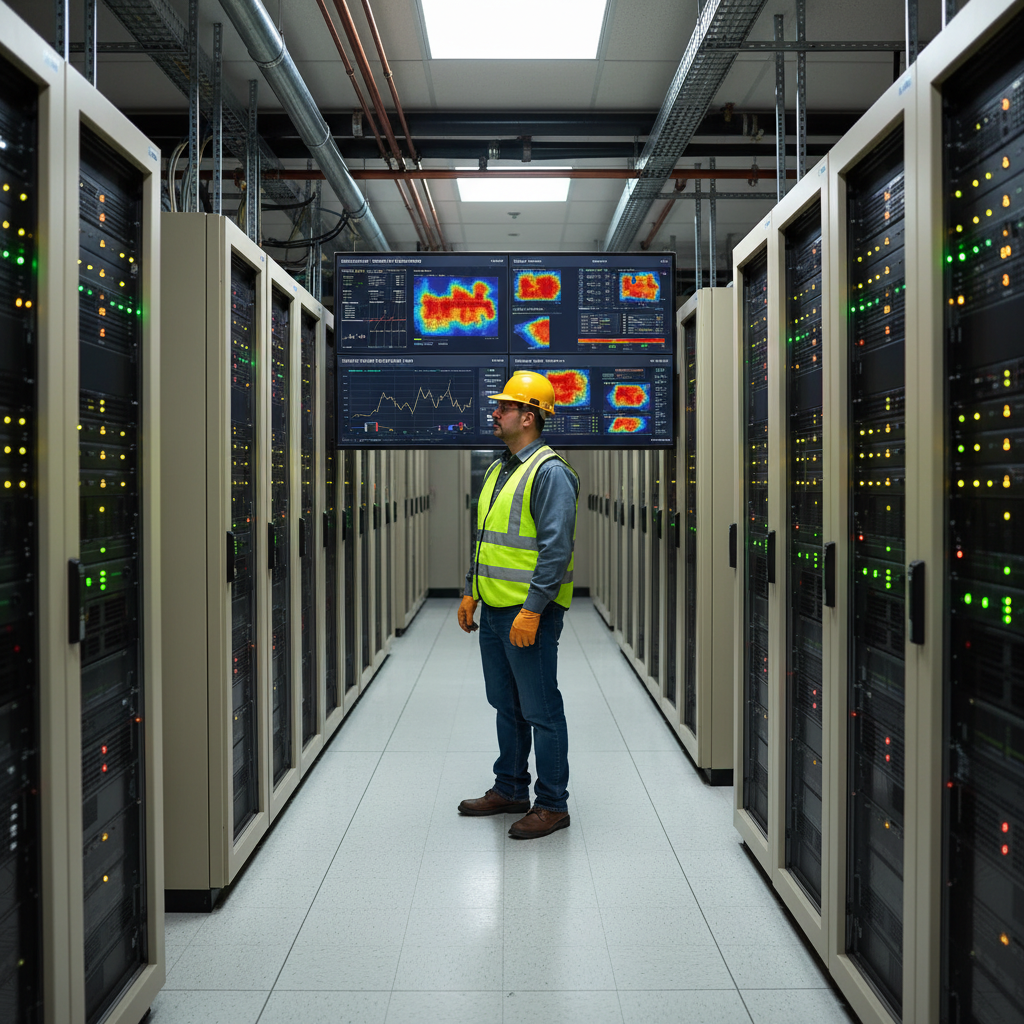
Strengthening the Backbone of Academic Facilities
Educational institutions today navigate a complex landscape of aging facilities, rising utility rates, and the urgent push for net-zero campuses. Administrators are often forced to balance the costs of maintaining student comfort with the need for critical infrastructure modernization.
How SustainErgy Supports this Industry
Industrial and warehousing facilities commonly experience challenges such as:

Operational Usage Profiling
Understanding building schedules, occupancy patterns, and space functions.

Strategic Portfolio Visibility
Providing planning-level insight across individual schools or entire portfolios.

Investment Validation Framework
Supporting informed decision-making before capital investments are made.

Integrated Asset Planning
Integrating energy performance considerations into broader facility and asset planning.
Our approach emphasizes clarity, practicality, and scalability, allowing education organizations to take action in alignment with academic calendars and budget cycles.
Services Commonly Applied in This Industry
Educational organizations typically use SustainErgy’s services to:

Holistic Performance Intelligence
Gain clearer visibility into energy and operational performance across facilities.
Non-Intrusive Efficiency Strategies
Identify practical and achievable efficiency and optimization opportunities.
Strategic Capital Mobilization
Improve readiness for capital planning and external funding opportunities.
Sustained Operational Savings
Reduce unnecessary energy use and operating costs.
Future-Ready Campus Resilience
Strengthen long-term facility performance, reliability, and resilience.

Empowering academic excellence by transforming campus infrastructure into a high-performance asset that fuels both student success and institutional growth.
Support Your Education Facilities Planning
If your school, board, or education organization is exploring ways to better understand energy use, improve facility performance, or plan future improvements, SustainErgy can support your planning and decision-making process.
*A member of our team will contact you to discuss your project and consult on any inquiries you may have.
Discuss Project