
Automotive & Service Centres

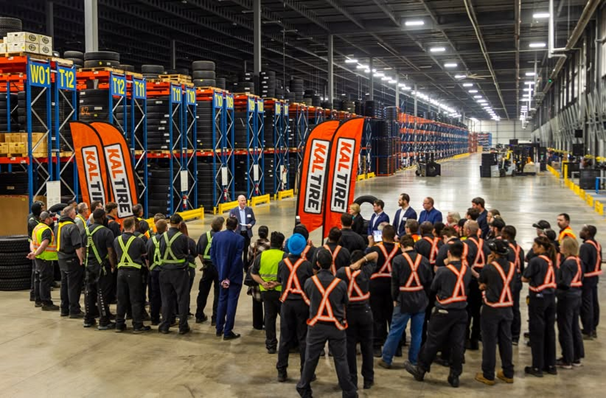
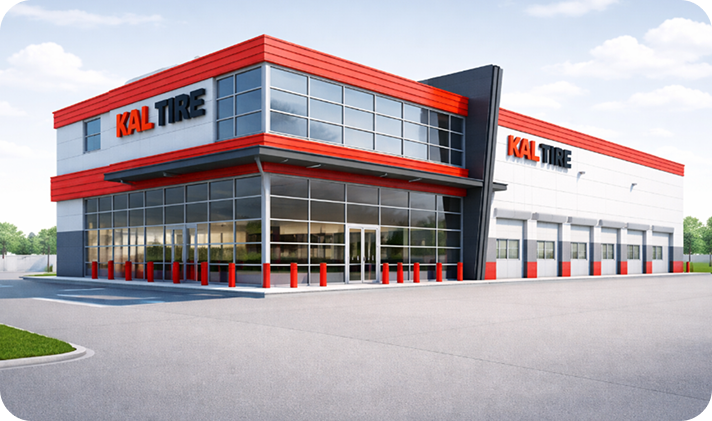
Kal Tire is one of Canada’s largest independent automotive service organizations, operating over 270 locations across Canada and supporting retail, commercial, and fleet customers nationwide. The organization manages a highly distributed portfolio of facilities that include customer-facing service centres, high-activity service bays, and supporting operational spaces.
Operating at this scale requires consistent performance across facilities with different layouts, service offerings, operating hours, and regional conditions. Locations must support both customer experience and intensive service operations, creating complex operational environments where lighting, equipment use, and energy performance play an important role in day-to-day operations.
Managing energy and facility performance across such a large and diverse network requires coordinated planning, structured evaluation methods, and long-term asset and investment strategies.
Strategic Energy Performance
SustainErgy has supported Kal Tire through targeted, repeatable engagements focused on energy performance, lighting improvements, retrofit planning, and investment evaluation across selected locations.
Engagements have been structured to support consistent evaluation, comparison, and planning across facilities while remaining adaptable to site-specific conditions, operational priorities, and internal timelines. Support has been provided through planning-level analysis, decision-support activities, and coordination related to facility improvement initiatives.
Focus Areas

Lighting Retrofit Planning
Lighting performance review and lighting retrofit planning considerations.
Strategic Energy Assessments
Energy assessments supporting operational and investment decisions.
Retrofit Option Evaluation
Comparative evaluation of retrofit options and upgrade pathways.
Financial & Payback Analysis
High-level payback and investment planning analysis.
Incentive & Funding Support
Incentive and funding coordination support.
Strategic Planning Alignment
Alignment with internal planning processes, priorities, and timelines.
*Focus areas reflect the types of support provided and may vary by location or engagement.
Outcome Orientation
The engagement supported improved visibility into energy use and lighting performance, informed internal discussions around facility upgrades, and contributed to planning and evaluation activities related to future investments and incentive alignment.
The work also supported a broader, structured approach to evaluating facility performance and improvement opportunities across a large, distributed network.
Discuss Your Project
If you are planning a new building, renovation, or retrofit, SustainErgy can support your project with energy modelling that informs decisions, reduces risk, and aligns with funding and compliance requirements.
*A member of our team will contact you to discuss your project and consult on any inquiries you may have.
Contact Us