High-Capacity Infrastructure for Industrial & Warehousing
Scaling energy-efficient solutions for high-volume logistics and heavy manufacturing facilities to maximize operational uptime.
Addressing Operational Obstacles
Industrial and logistics facilities operate under the pressure of tight margins and constant motion.
Industrial and warehousing facilities commonly experience challenges such as:

Expansive Utility Requirements
Large floor areas with high lighting and ventilation requirements.
Continuous Operational Cycles
Extended or continuous operating hours.
High-Intensity Process
Energy-intensive equipment and process loads.
Systemic Performance Blindspots
Limited visibility into how different systems and zones contribute to overall energy use.
Strategic Resource Conflicts
Competing priorities between production uptime, maintenance, and capital planning.
Operational Overhead Pressures
Pressure to manage operating costs while maintaining reliable operations.

These challenges require solutions that reflect how industrial and logistics facilities are actually operated, rather than approaches designed for office or retail environments.
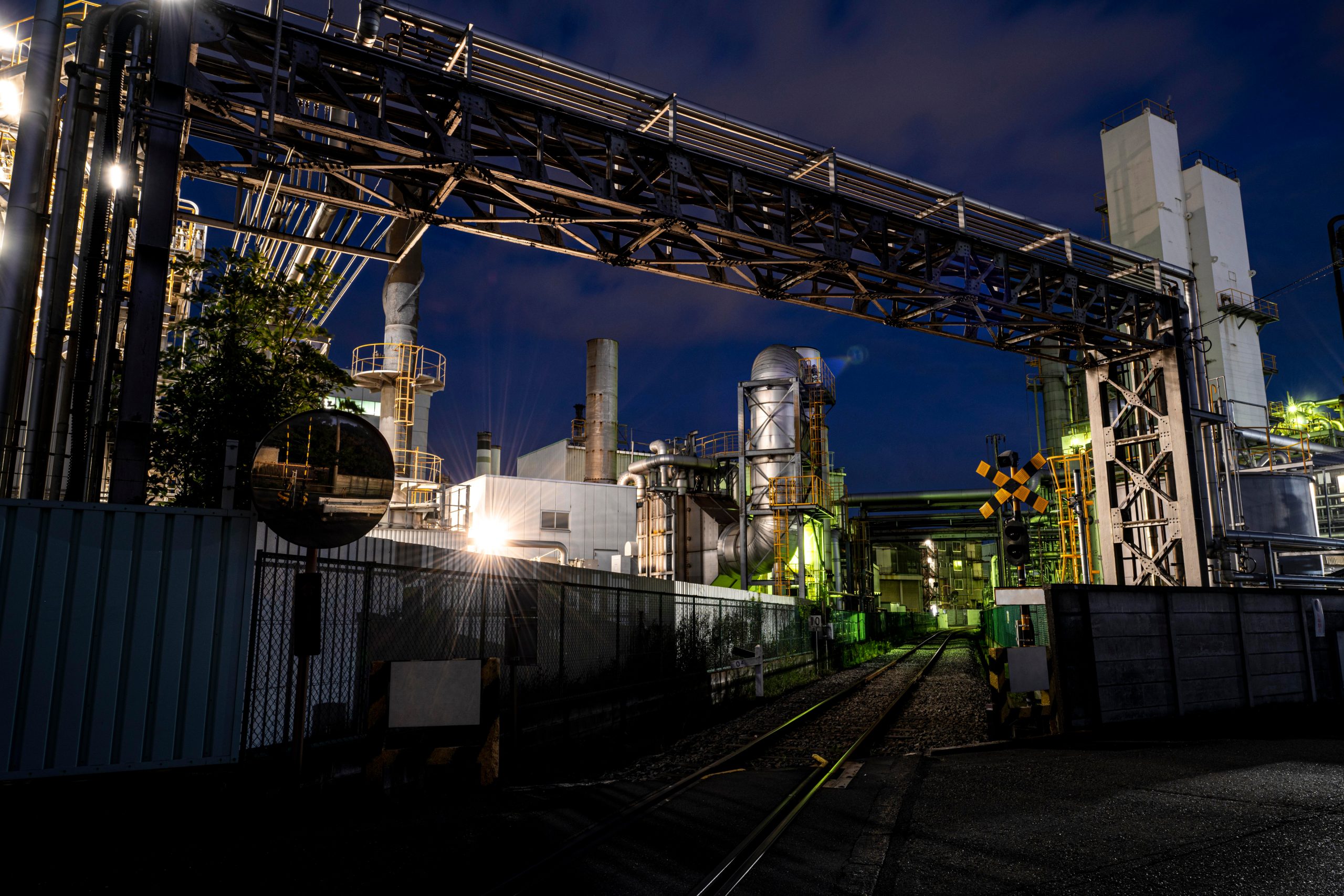
Strengthening the Backbone of Industrial Operations
Industrial and warehousing facilities face a unique set of challenges where heating, cooling, and lighting massive cubic volumes can become a prohibitive expense. In these high-intensity environments, efficiency isn't just about cost savings—it’s about ensuring 24/7 safety, maintaining product integrity, and streamlining complex supply chain operations.
How SustainErgy Supports this Industry
Industrial and warehousing facilities commonly experience challenges such as:

Expansive Infrastructure Demands
Large floor areas with high lighting and ventilation requirements.

Persistent Operational Cycles
Extended or continuous operating hours.

High-Intensity Process Loads
Energy-intensive equipment and process loads.

Complex Consumption Blindspots
Limited visibility into how different systems and zones contribute to overall energy use.

Critical Uptime Conflicts
Competing priorities between production uptime, maintenance, and capital planning.

Operational Overhead Pressures
Pressure to manage operating costs while maintaining reliable operations.
These challenges require solutions that reflect how industrial and logistics facilities are actually operated, rather than approaches designed for office or retail environments.
Services Commonly Applied in This Industry
Industrial and warehousing organizations typically use SustainErgy’s services to:

Zonal Performance Transparency
Gain visibility into energy use across large spaces and operational zones.
Targeted Operational Enhancements
Identify practical efficiency and operational improvement opportunities.
Strategic Capital Alignment
Support capital planning and prioritization.
Sustained Overhead Reduction
Reduce unnecessary energy use and operating costs.
Long-Term Asset Resilience
Improve long-term facility performance, reliability, and resilience.

Empowering industrial scale by transforming logistical infrastructure into a high-performance asset that fuels both operational velocity and bottom-line profitability.
Support Your Industrial Facilities Planning
If your organization operates industrial or warehousing facilities and is exploring ways to better understand energy use, improve performance, or plan future improvements, SustainErgy can support your planning and decision-making process across individual sites or facility portfolios.
*A member of our team will contact you to discuss your project and consult on any inquiries you may have.
Discuss Project